
What Is a UGC Creator? The Complete Guide to Getting Paid for Authentic Content in 2026
 Written By: Matthew Kobilan
What Is a UGC Creator? The Complete Guide to Getting Paid for Authentic Content in 2026
Discover what a UGC creator is, how to become one in 2026, and how to land paid brand deals without needing a big following. Your complete step-by-step guide starts here. Hangroom
The Fastest-Growing Creator Career Nobody Told You About
What if you could get paid by brands to create content — without needing a huge following, a studio, or years of experience?
That's exactly what UGC creators do. And in 2026, it's one of the most in-demand skills in the entire digital economy. If you've been scrolling Instagram or TikTok and noticed videos that look like a regular person genuinely reviewing a product — authentic, unpolished, real — there's a strong chance you were watching a UGC creator at work. Brands pay for that content because it converts better than anything their marketing departments can produce in-house.
This guide breaks down everything you need to know: what a UGC creator actually is, why brands are paying top dollar for this content, and the exact steps to become one and start earning — even if you're starting from zero.
And if you're a creator who's already building an audience, Hangroom gives you the branded home base to stack UGC income on top of subscriptions, merch, and community — turning content creation into a full Creatrepreneur business.
What Is a UGC Creator?
UGC stands for User-Generated Content — content created by real people rather than brand marketing teams. Think product reviews, unboxing videos, tutorials, lifestyle shots, testimonials, and day-in-the-life videos featuring a product naturally.
A UGC creator is someone who produces this style of authentic, native-looking content professionally and gets paid by brands to do it.
The key distinction: you're not being paid for your follower count or your reach. You're being paid for the content itself — what you create, not how many people follow you.
People trust UGC 2.4x more than traditional ads, vidIQ which is exactly why brands are redirecting budgets toward this format at an accelerating pace. 82% of Gen Z consumers say they trust a company more when it features real customers instead of celebrities or paid spokespeople. vidIQ
Brands aren't just experimenting with UGC — they're rebuilding their entire content strategy around it.
UGC creator vs. influencer: what's the difference?
This is the question everyone asks, and the answer matters for how you position yourself:
An influencer is paid primarily for their audience. Brands buy access to their followers. The bigger the following, the higher the rate. Your platform and reach are the product.
A UGC creator is paid for the content itself. Brands use it in their own ads, website, emails, and social channels. Your creative skills are the product — your follower count is largely irrelevant.
This is a massive shift in opportunity. It means anyone with a smartphone, a genuine personality, and the ability to tell a story on camera can start landing paid brand deals immediately — no years of audience building required.
Why UGC Is Exploding in 2026
The numbers behind UGC growth aren't subtle. Brands are making structural shifts in how they produce content, and UGC creators are the direct beneficiary.
Here's what's driving the explosion:
- Authenticity beats polish. Consumers have become highly skilled at identifying and ignoring traditional ads. Content that looks like it was made by a real person in a real setting performs dramatically better across every metric — click-through rates, engagement, and conversion.
- Cost efficiency for brands. Traditional content production — studio time, photographers, videographers, agency fees — is expensive and slow. Traditional UGC costs $150–300 per video when you factor in creator fees, product shipping, and coordination overhead, Epidemic Sound still a fraction of agency-produced content, and brands can produce it at scale.
- Social commerce is reshaping buying behavior. People increasingly discover and buy products directly through creator content on TikTok, Instagram, and YouTube. UGC is the native language of social commerce.
- Brands need volume. A single polished campaign video can't keep up with the content demands of modern social media. Brands need dozens of creative variations to test. UGC creators give them that volume at speed.
- The trust economy. UGC creators are key to social commerce, brand trust, and digital engagement strategies — and the trend is projected to keep growing through 2030 and beyond.
PageTrafficStep

1: Choose Your Niche
The most common mistake new UGC creators make is trying to create content for every brand in every category. Generalists get lost. Specialists get hired.
Choosing a niche gives you two powerful advantages: your content portfolio becomes immediately recognizable to brands in that space, and your pitches become far more targeted and compelling.
High-performing UGC niches in 2026:
- Beauty and skincare — One of the highest-volume UGC categories. Brands constantly need new review content, tutorial formats, and before/after videos.
- Fitness and wellness — Supplements, equipment, apps, and apparel all run high volumes of UGC campaigns. Authentic fitness content performs exceptionally in paid ads.
- Food and beverage — Recipe integrations, taste tests, and "day in my life" food content perform extremely well for consumer brands.
- Tech and apps — Unboxing, setup tutorials, and "I tried this for 30 days" formats work brilliantly for software and hardware brands.
- Personal finance and business tools — Higher CPM category with strong brand budgets. If you can explain a product clearly and credibly, this niche pays well.
- Parenting and family — Authentic family content for baby products, education tools, and household brands is in consistent demand.
- Home and lifestyle — Interior, organization, and home improvement content aligns with a large category of DTC and e-commerce brands.
Pick a niche you genuinely know and have experience in. Your authentic familiarity with the category will show in your content — and that's exactly what brands are paying for.
Step 2: Build a UGC Portfolio (Even Without Any Brand Deals)
You can't wait for brand deals before building your portfolio. You need to build the portfolio to get the brand deals. The good news: you can create a professional UGC portfolio with products you already own.
How to create spec content:
Spec content is portfolio content you create without being paid — using products you already own — specifically to demonstrate your skills to potential brand partners. Every experienced UGC creator started here.
Walk through your home and identify five to ten products across your niche. Film authentic-style content for each one — a product review, a tutorial, a lifestyle integration, or a testimonial.
You're not posting this publicly (unless you choose to); you're creating samples to show brands what you can do.
What strong UGC portfolio content looks like:
- Hook-driven openings. The first two to three seconds determine everything. Lead with a bold statement, a surprising fact, or a visual that immediately creates curiosity. "I've tried every moisturizer on the market and nothing worked until this."
- Natural, conversational delivery. Scripted and polished kills the UGC effect. Speak the way you'd talk to a friend. Imperfections add credibility.
- Clear product integration. The product should feel like a natural part of your content, not an interruption. Show it in context — in use, solving a real problem, fitting naturally into your life.
- Strong call-to-action. Even in portfolio content, end with a clear, brand-appropriate CTA. It shows brands you understand the full purpose of the content.
Aim for five to seven strong portfolio pieces across two to three content formats (video review, tutorial, lifestyle) before you start pitching.

Step 3: Set Your Rates and Understand Usage Rights
This is where most new UGC creators leave serious money on the table. Your rate isn't just for the video — it's for the video plus what the brand can do with it.
Understanding the two components of UGC pricing:
Creation fee: What you charge to produce the content. Most beginners earn around $100–$300 per video, while experienced creators or those producing packages for multiple platforms can make $500–$2,000+ per campaign. MediaMister
Usage rights fee: What you charge for the brand to use your content in their own paid advertising, website, email campaigns, or other channels. This is quoted separately and can double or triple your effective rate.
Never quote a flat rate that bundles both without specifying usage rights. If a brand runs your video as a paid ad for six months — reaching potentially millions of people — the creation fee alone dramatically undervalues what you've actually delivered.
A simple starting framework:
- Content-only (brand posts on their organic social): Base creation rate
- Paid ad usage (30 days): Base rate + 50%
- Paid ad usage (90 days): Base rate + 100%
- Unlimited/perpetual usage: Base rate + 200% minimum
Be clear about this from the beginning of every conversation with a brand. Transparency here protects your income and builds your professional reputation.
Step 4: Find Brands to Work With
There are multiple pathways to landing your first UGC deal, and the best strategy is to pursue more than one simultaneously.
UGC creator platforms:
Dedicated platforms connect brands directly with creators and handle payments, contracts, and briefs. Some platforms like Collabstr operate as UGC marketplaces where you create a profile, set your rates, and brands come to you. Others like Trend.io or Insense offer curated campaign briefs, allowing brands to choose creators for specific projects based on style and niche.
Backlinko
Other solid platforms to explore include JoinBrands, Billo, and Fiverr's creator marketplace. Each has different fee structures, volume levels, and brand categories — explore a few to find where your niche has the most active demand.
Direct outreach:
Find brands in your niche that are already spending on creator content — look for brands running TikTok or Instagram ads that use UGC-style creative. These brands already understand the value; they just haven't found you yet.
Research the brand, identify their marketing contact or social media manager on LinkedIn, and send a concise pitch. Lead with the specific value you bring to their category, attach two or three portfolio samples, and state clearly what you're offering.
Leverage your existing content:
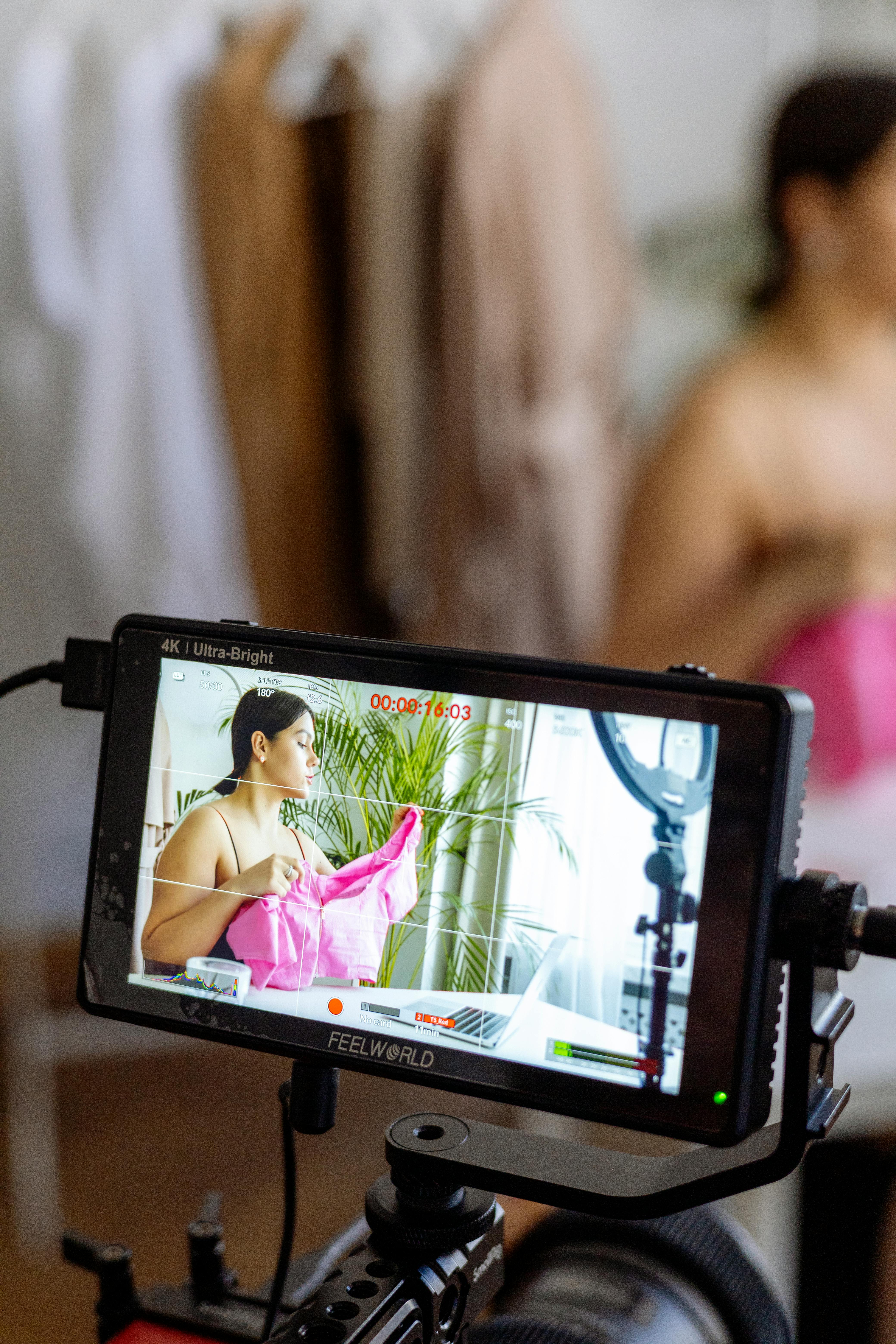
If you're already a content creator posting publicly, your existing content is a live portfolio. Brands in your niche are actively searching hashtags, using social listening tools, and monitoring community conversations to find creators whose style aligns with their brand. Make your content discoverable by using relevant community hashtags and engaging authentically in brand-adjacent conversations.
Step 5: Craft a Pitch That Gets Responses
A great UGC pitch is short, specific, and makes it easy for the brand to say yes. Here's a template that works:
Subject: UGC Partnership Idea — [Your Niche] Creator
Hi [Name],
I'm a UGC creator specializing in [niche]. I've been using [Product] for [timeframe] and genuinely love [specific aspect] — I think your audience would connect with an authentic [format: review/tutorial/lifestyle] video from a real [niche] enthusiast.
I've attached two portfolio samples that show my style and delivery. My rates for a [deliverable] with [usage terms] are [rate].
Would you be open to a quick chat about a collaboration?
[Your name]
Short. Specific. Shows genuine product familiarity. Includes samples. States a rate. Gives them one clear next step. This format converts far better than a generic "I'd love to collab!" message.
Step 6: Use Social Listening to Stay Ahead of Brand Trends
The UGC creators who consistently land the best deals aren't just waiting for briefs to come to them — they're proactively identifying what brands need before the brands post it publicly.
Social listening is the practice of monitoring social media conversations, trending hashtags, and community discussions to identify emerging trends and brand activity in your niche.
Practical social listening tactics for UGC creators:
- Monitor brand hashtags. Follow the community hashtags and branded hashtags of brands in your niche. When a brand launches a new product or campaign, early UGC that responds to it can land you on their radar organically.
- Track trending audio and formats. Brands making TikTok and Reels ads want content that fits current platform trends. Stay ahead of trending audio, transitions, and content formats in your niche so your pitches feel timely and native.
- Watch brand ad libraries. Facebook Ad Library and TikTok Creative Center let you see what ads brands are actively running. If a brand is consistently running UGC-style video ads, they're almost certainly actively hiring creators in that format. This is warm prospect intelligence.
- Engage in niche communities. Active participation in your niche's online communities — forums, Discord servers, creator groups — keeps you informed about what's working, which brands are paying well, and where new opportunities are emerging.
- Set Google Alerts for brands in your niche. Whenever a target brand launches a new product, runs a campaign, or gets press coverage, you get a notification. That's a natural entry point for a timely pitch.

Step 7: Scale Your UGC Income Into a Full Creator Business
Landing individual UGC deals is the starting point — but the real opportunity is building a creator business where UGC is one income stream among many.
The most financially resilient creators don't rely on any single revenue source. They stack income streams strategically:
- UGC brand deals — Your active income. Consistent deal flow that grows as your portfolio and reputation build.
- Recurring subscriptions — Build an owned community where your most loyal fans pay monthly for exclusive content, tutorials, or direct access to you. This is your passive income foundation.
- Custom merch — A natural extension once you have an engaged audience. Print-on-demand means zero inventory risk.
- Affiliate marketing — Pair your UGC skills with affiliate links and earn a percentage of every sale your content drives.
- Digital products — Package your UGC skills into a guide, template pack, or course and sell it to other aspiring creators.
The advantage of this multi-stream model is compounding leverage. Every piece of public UGC content you create builds your portfolio. Every brand deal builds your credibility. Every subscriber adds to your owned revenue base. It all reinforces itself — and no algorithm change can take it away.
The Bottom Line: UGC Is the Fastest On-Ramp Into the Creator Economy
There has never been a lower barrier to entry into the paid creator economy than UGC in 2026. You don't need a large following, professional equipment, or industry connections to start. You need a specific skill, a strong portfolio, and the confidence to pitch.
The 2026 UGC economy rewards creators who understand brand needs, deliver reliable work, and position themselves where brands are actively searching. The Influencer Marketing Factory Start with one niche. Build five portfolio pieces. Send ten pitches. Iterate based on what you learn. The creators who start today will be the ones with the established portfolios, the brand relationships, and the recurring income a year from now.
Your content is an asset. Your authenticity is your edge. Your skills are in demand — right now, by brands actively searching for someone exactly like you.
Ready to build the business around your content? Hangroom gives you everything you need to own your audience, stack your income streams, and run your creator business from one branded platform. Start your journey at https://www.hangroom.vercel.app
Recommended for You

How to Become a Content Creator in 2026: Step-by-Step Guide for Beginners to Full-Time Creatrepreneurs

How to Generate Passive Income from Home as a Content Creator in 2026: Build Recurring Revenue Engines That Run Without You

Print on Demand Store SEO: How Creators Rank Custom Merch on Google in 2026
Ready to Share Your Story?
Join HangRoom today and start building your community with tools built for creators, by creators.
Start Creating